Insights
Architecture of the Page: Designing the OJB Monograph
More than a portfolio in book form, a monograph is a tactile, permanent record of a firm’s philosophy, process, and physical impact on the world. For the Envisioning Landscapes: The Transformative Environments of OJB, we designed a cohesive framework to heighten the firm's beautiful work.
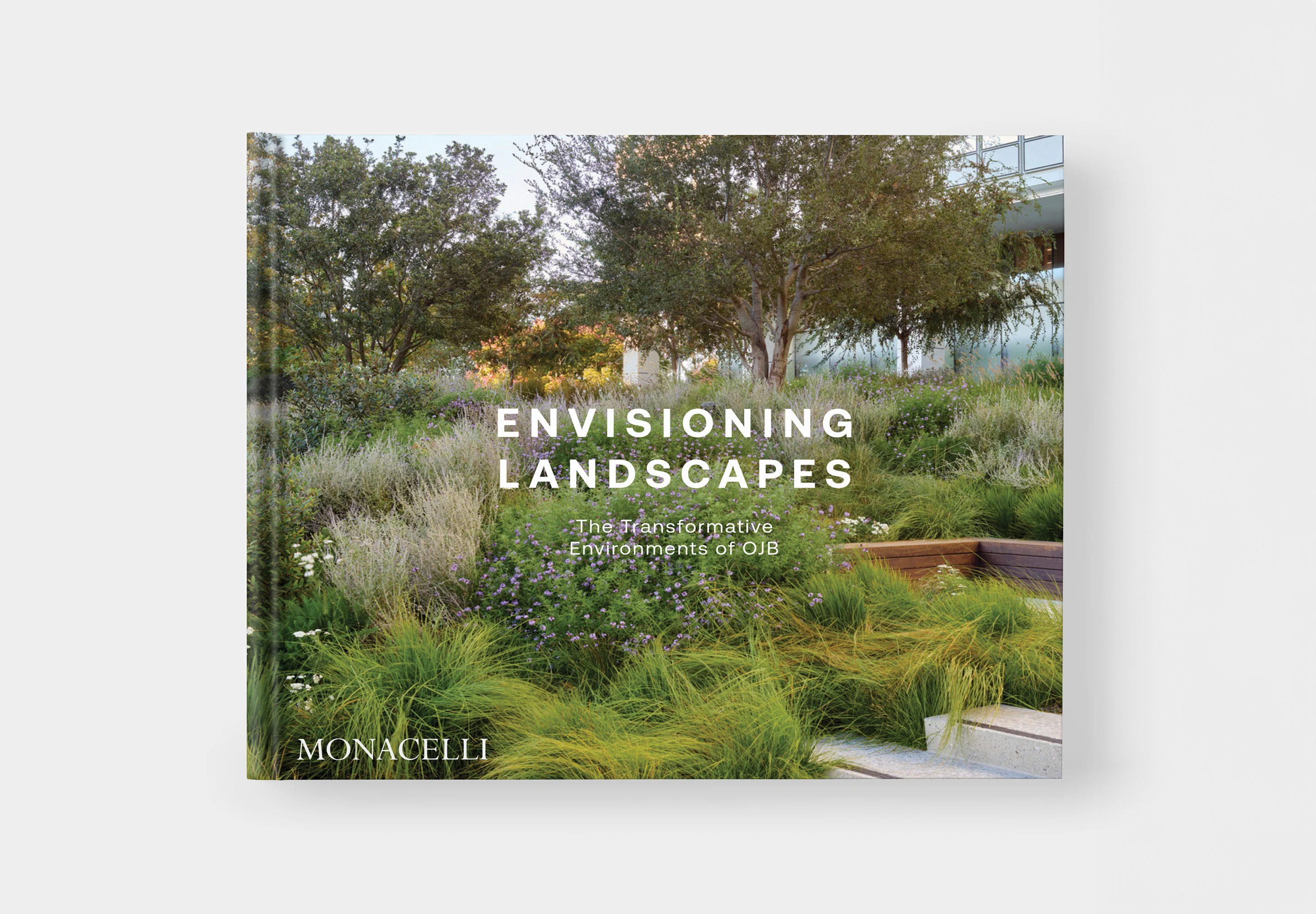
In the world of design, a monograph is more than just a portfolio in book form. It is a legacy piece, a tactile, permanent record of a firm’s philosophy, process, and physical impact on the world. The monograph serves as a definitive synthesis of a firm’s body of work. Unlike a digital portfolio, which is often ephemeral and fragmented, a physical monograph demands a cohesive narrative logic and a tactile presence.
When we approached the design of Envisioning Landscapes, a monograph for the renowned landscape architecture firm OJB, our goal was to create a framework to heighten the subject matter without distracting from it. We wanted the book to not just showcase their projects, but to feel like an organic extension of the firm’s brand and their work.
Design that Supports the Subject
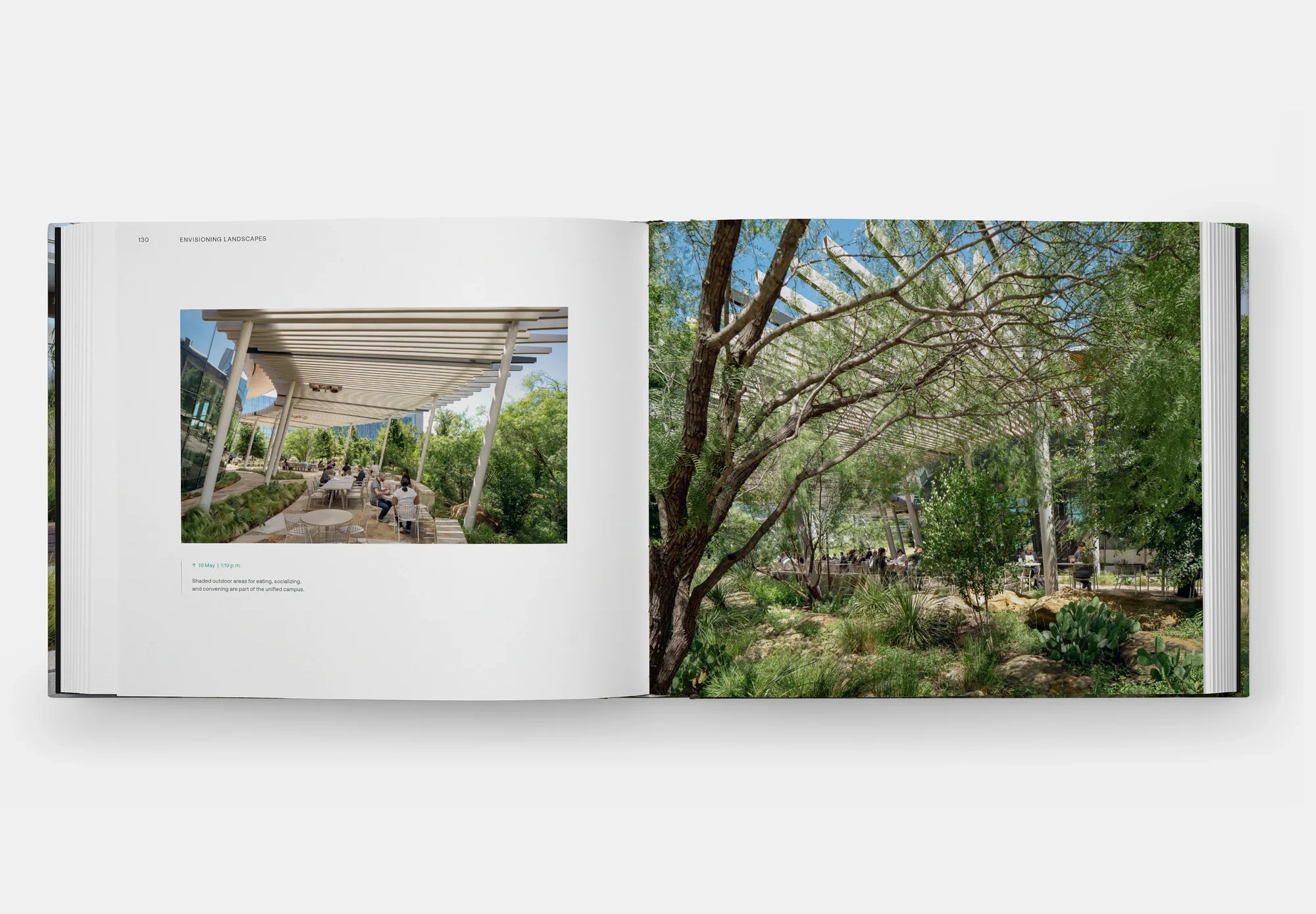
In monograph design, the objective is to create a vessel that facilitates comprehension and connection between the reader and the work. The designer’s hand is there to help guide the reader through the work without commanding attention.
In Envisioning Landscapes, this was achieved through refined typography, restraint, white space, and an adherence to a modular grid. By establishing a consistent spatial logic, the design provides a neutral background that allows the vibrant photography and forms of OJB’s landscape architecture to take precedence. The negative space is not merely "empty"; it functions as a visual buffer, mirroring the open air and restorative qualities of the spaces being profiled. The design acts as a quiet curator, framing the work and providing the structure and space necessary for the vibrant greens to pop and the textural details to breathe.
Typography: The Restrained, Authoritative Voice
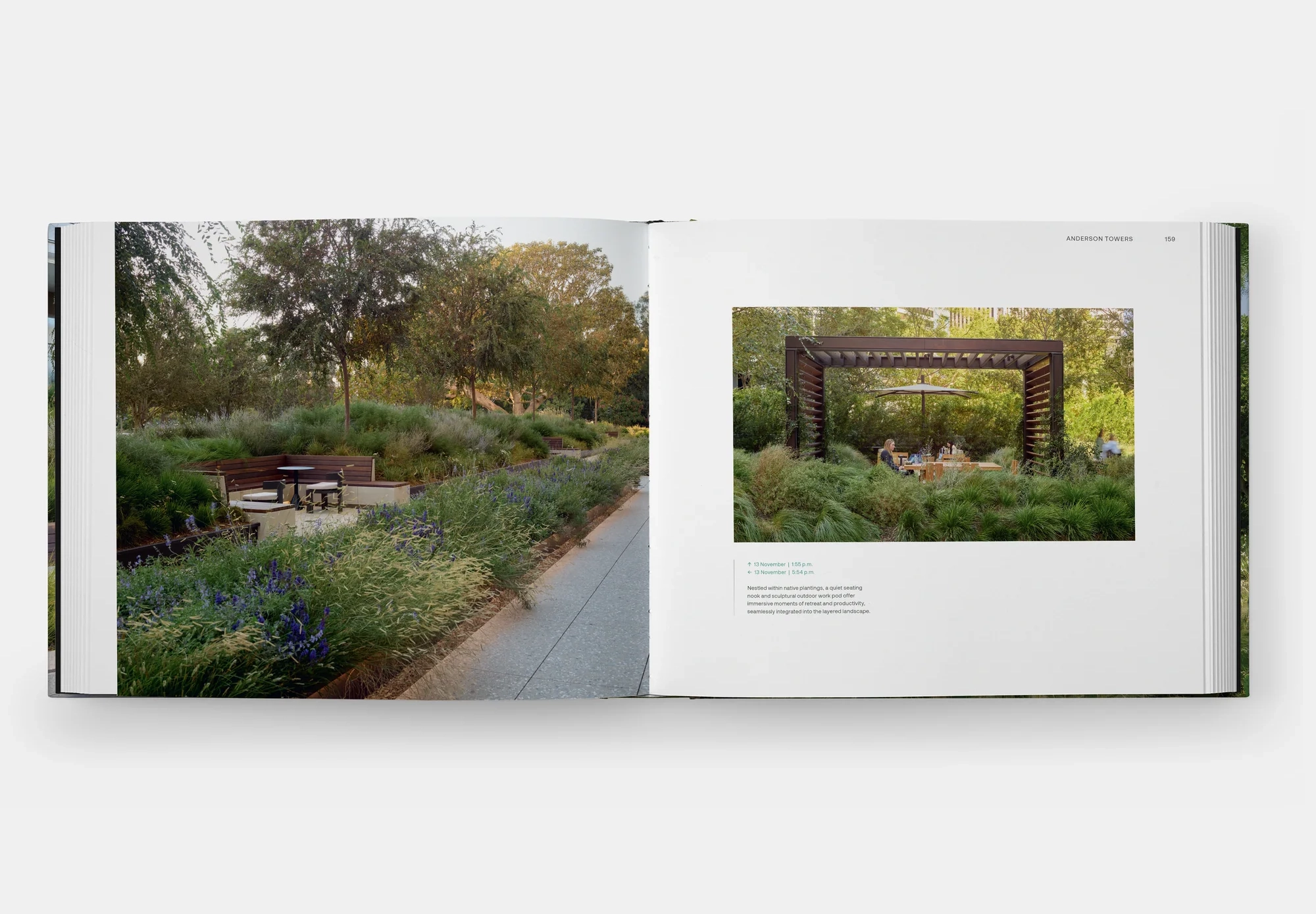
For the OJB brand and monograph, a clean, highly legible typeface was essential. The sans-serif selected has mechanical precision, geometric roundness, and timeless aesthetics that provides a modern touch. The versatility of the font works for both headers and body copy, keeping the typographic hierarchy strictly disciplined. By keeping the "voice" of the text consistent and quiet, the design ensures that the narrative and project visuals remain the focus. The type is a guide, not the main attraction.
A Natural Extension of Brand
A monograph should feel as though it was grown from the subject’s professional identity. A company's monograph, as a record of the firm, should have a design that is derived from its strategically developed brand identity - connecting cohesively with the company itself.
OJB is known for transforming urban environments into lush, functional, and restorative landscapes. Their brand is rooted in the intersection of nature and human-centric design. Balancing the crispness of architectural precision with the organic warmth of the natural world. The book doesn’t just show OJB’s brand; it feels like OJB.
The color palette of the book is consistent with the OJB brand and derived from the work itself, such as warm, neutrals, precise architectural grays and crisp greens that complement the lush tones of the photography.
The Rhythm of the Page
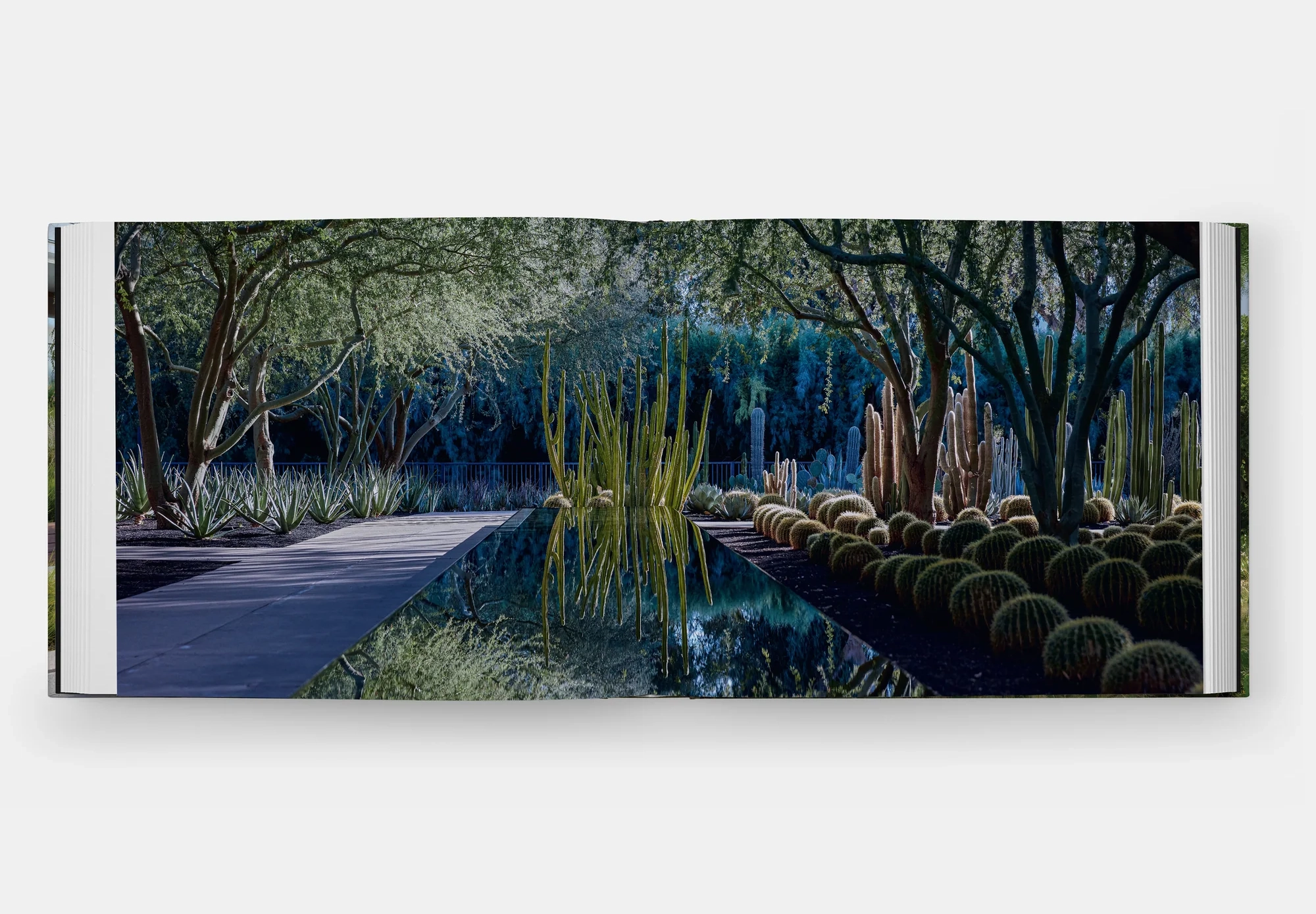
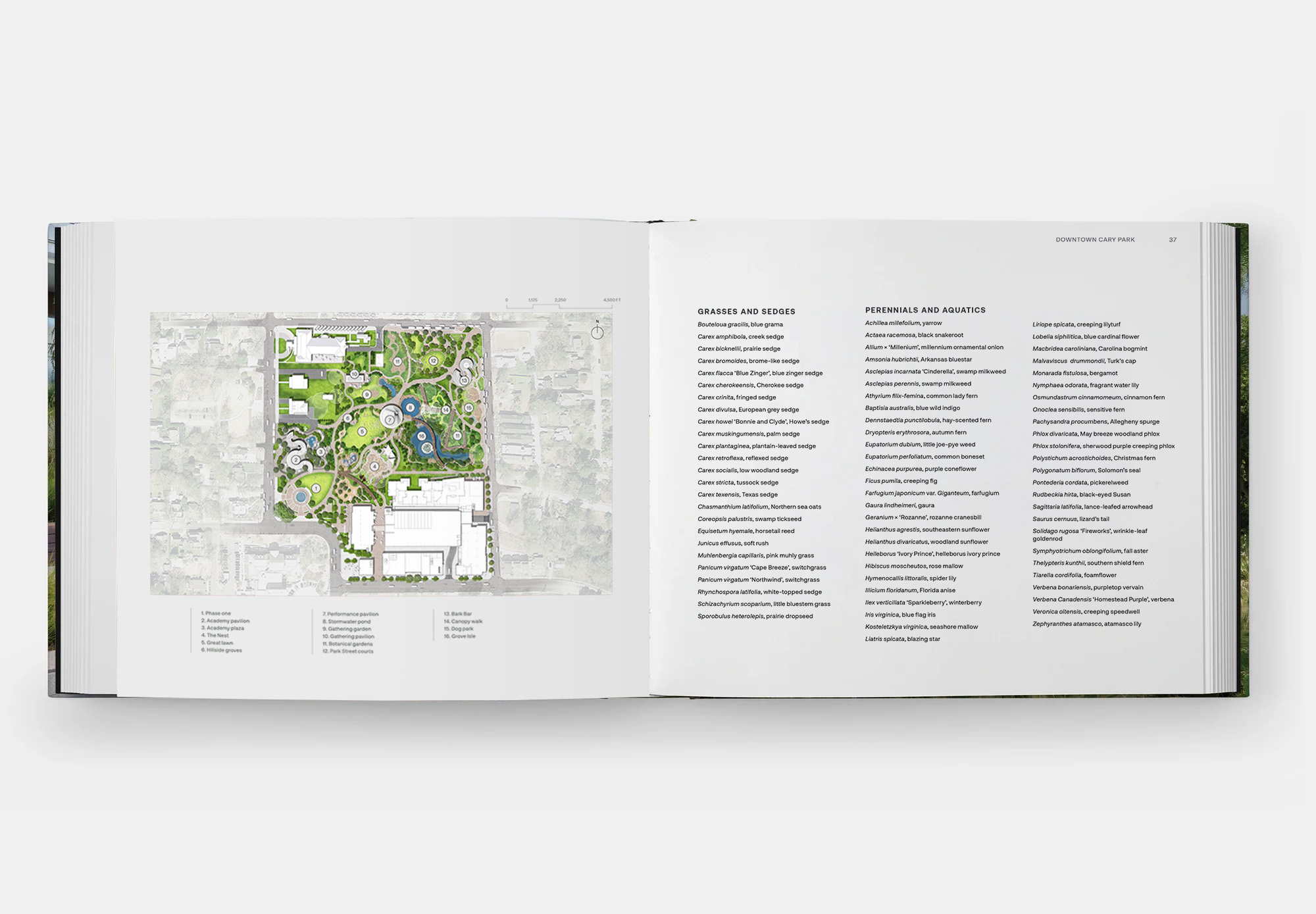
Designing a monograph, like a landscape, is about the sequence of experience. There are moments of wide-open vistas (full-bleed photography) and moments of intimate detail (framed detail shots and technical drawings).
By aligning the editorial flow with the firm’s own design logic, the monograph becomes more than a collection of images. It becomes a narrative. The internal rhythm of a monograph should mirror the experiential quality of the work it exhibits. Designing Envisioning Landscapes required a sequence that reflects a visitor’s progression through an OJB landscape.
Full-Bleed Spreads: Captures the scale and context of a project.
Detail Photography: Highlight the texture of materials and plant life.
Technical Overlays & Plant Lists: Provide the intellectual rigor and details of the design.
By alternating between high-impact visual spreads and information-dense sections of text and diagrams, rhythmic variation ensures the reader remains engaged.
Envisioning Landscapes: The Transformative Environments of OJB
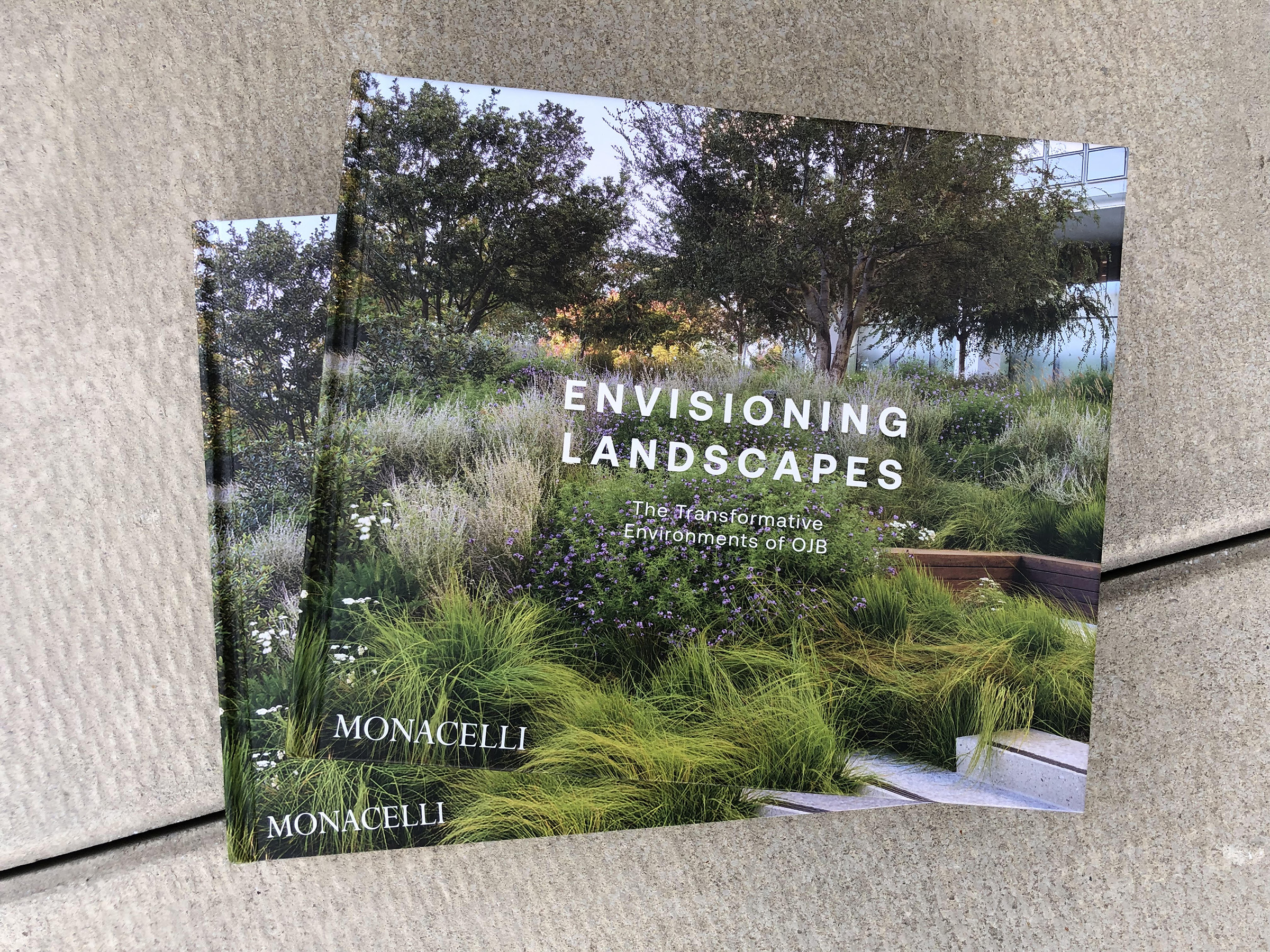
The revised and expanded monograph explores OJB’s philosophy and the transformative power of landscape through case studies spanning the firm’s 37-year history. Founded by James Burnett and led today by Jim and his partners nationwide, OJB creates public spaces that balance ecology, play, and discovery, connecting people meaningfully to the natural world.
The design of a monograph is an exercise in restraint. As seen in Envisioning Landscapes, the goal of a monograph is to create a work of design that feels inevitable, as if the book grew naturally from the projects it contains. When the design aligns perfectly with the brand’s material and philosophical identity, the book becomes a timeless artifact of the work itself.
Explore further or grab a copy on the Phaidon website.
Check out more of our work with
OJB Landscape ArchitectsDiscover more Proportion