Insights
Our Approach, as a Branding & Design Firm, to Artificial Intelligence & Emerging Technology
A position statement on how we adopt, use, and think about AI and emerging tools as a creative studio...as of today.

At Proportion, we are an intrinsically inquisitive, purposefully multidisciplinary group, consistently pushing ourselves to be better, exploring new ideas, methodologies, and ways of thinking about problems and solutions. With the emergence of LLMs and AI, we would be remiss to not explore and utilize the new tool at our fingertips, but as with any new tool, it’s important to learn how to use it effectively, know what tasks it can do well, and where it falls short.
The Sameness Problem
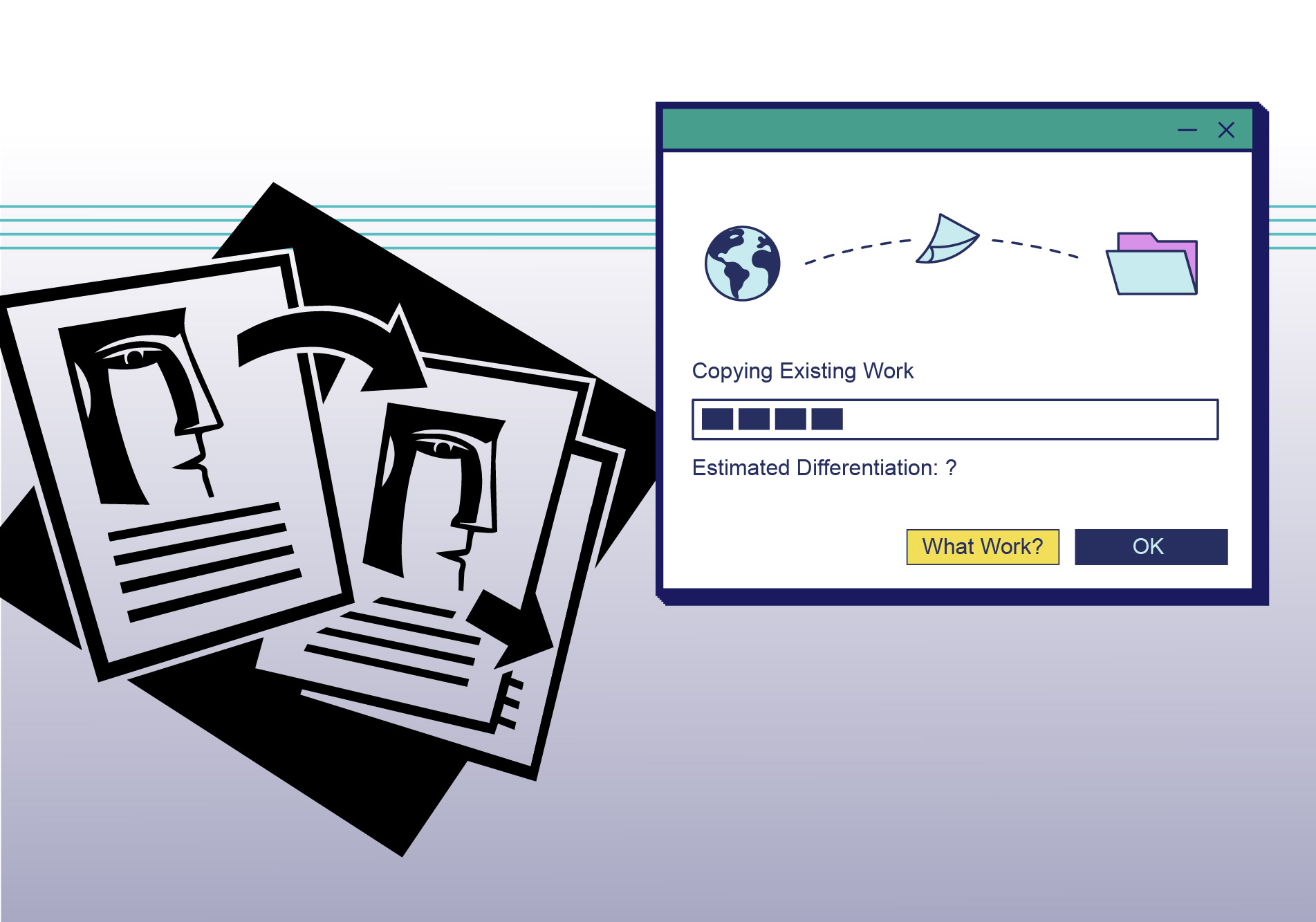
When everyone feeds the same data into the same models, the outputs start to look alike. AI is an instrument of the past. It is built on things that have already been made, said, and thought. That makes it a powerful foundation, but also has a hard ceiling. It is extraordinarily good at producing the expected, known answer. That makes it useful in specific, bounded ways, but makes it dangerous as a creative lead. To create something truly new, we have to take what it knows and go somewhere it can't.
At Proportion, we challenge ourselves to resist easy answers, take concepts further, and move beyond expected to unearth richer narratives. We create brand storylines that feel inevitable once experienced, but that no algorithm alone would have found.
What We Actually Use AI For
We use AI as infrastructure, not authorship. It’s a tool that has specific uses, and we use it across multiple stages of our creative process, in roles where it adds genuine value.
Market research and landscape analysis.
Before any naming or brand positioning work begins, we need to understand what exists. AI is great with this research because it’s built upon large data sets of information and can compile it in ways that are easily digestible. We can use this data to find opportunities in the marketplace and areas for differentiation, to quickly set the bar so we can assess the leap.
Technical audits.
AI works great when the rules are already defined, where significant data and research has been compiled - things like SEO, AEO, GEO site audits, keyword gap analysis, and structured data reviews. Essentially, using robots to help optimize for robots.
Rapid baseline prototyping.
We use AI to pressure-test the edges of a brief quickly. We can generate a wide field of directional ideas, discarding the predictable ones and using what remains - not as finished thinking, but as a starting point for genuine iteration. AI is good at showing you what not to make. That has real value in brand building.
Image refinement and rendering.
For visual concept development, especially within interior design renderings, we use AI tools to develop rough conceptual imagery that can be used as art direction for final outputs. We generate baseline visual variations for review, while final production work remains human-led.
Work review and QA.
We use AI to cross-check our own outputs, ensuring baseline considerations are met: that nothing obvious has been missed; that the work is fully qualified before it goes to a client. It's a sanity check, not a substitute for editorial judgment.
Batch and repeatable tasks.
Any clearly defined, repeatable technical task - asset resizing, copy formatting, metadata generation, light code development - where AI provides genuine time savings without creative consequence.
Where We Draw the Line
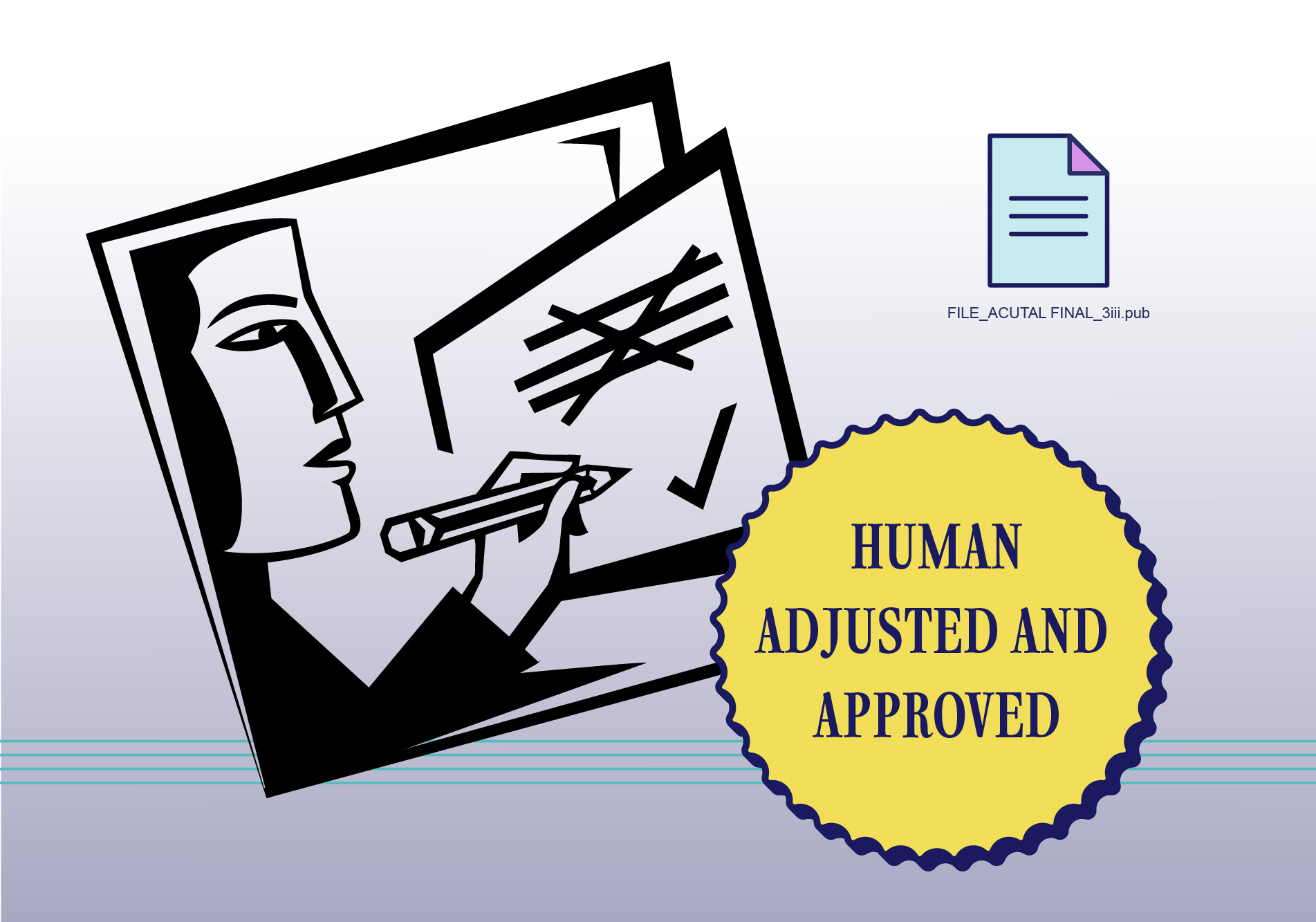
We maintain a critical eye and a red pen on every AI-generated output and baseline assumption. Not as a matter of principle for its own sake, but because the goal is never speed for its own sake. We use these tools to clear the ground quickly, so we can spend our energy on work that actually requires human judgment, intuition, and genuine creativity.
Many creative agencies are finding out that huge efficiency gains from AI are only possible if you lower your standards. AI can be genuinely useful in research and prototyping ideation, but human creatives are still substantially better at the work that matters most:
the interpretive leap,
the unexpected connection,
the story that no one has told yet.
The issue with Copyright
Copyright law hasn't caught up with AI, and that creates real risk for anyone using these tools for branding & Identity.
The US Copyright Office has been clear: purely AI-generated content isn't protectable. Copyright requires human authorship. The line that matters is how much a human shapes the final output, through selection, editing, and creative judgment. Using AI as a tool is fundamentally different from using it as the author.
The Copyright Office has already drawn this distinction in practice: in the Zarya of the Dawn case, the human author's text was protected, but the AI-generated images were not. This means anyone can use the images for their own purposes.
Why Creatives Matter More Than Ever
Yes, this is a self-serving statement, but we truly believe that with the rise of AI, creative intuition is more important than ever to build meaningful brands that differentiate, connect with an audience, and evolve when others seek to replicate.
Sure, Godady Airo can quickly create a clean ‘professional’ logo for a horse riding school, but it entirely loses the charm and unique stickiness of the quirky original. And what’s stopping another riding school doing the same thing with a similar result?
While these tools are widely available, it makes quick output all the more easy, making firms like Proportion to more diligently push against the expected and differentiate.
Discover more Proportion